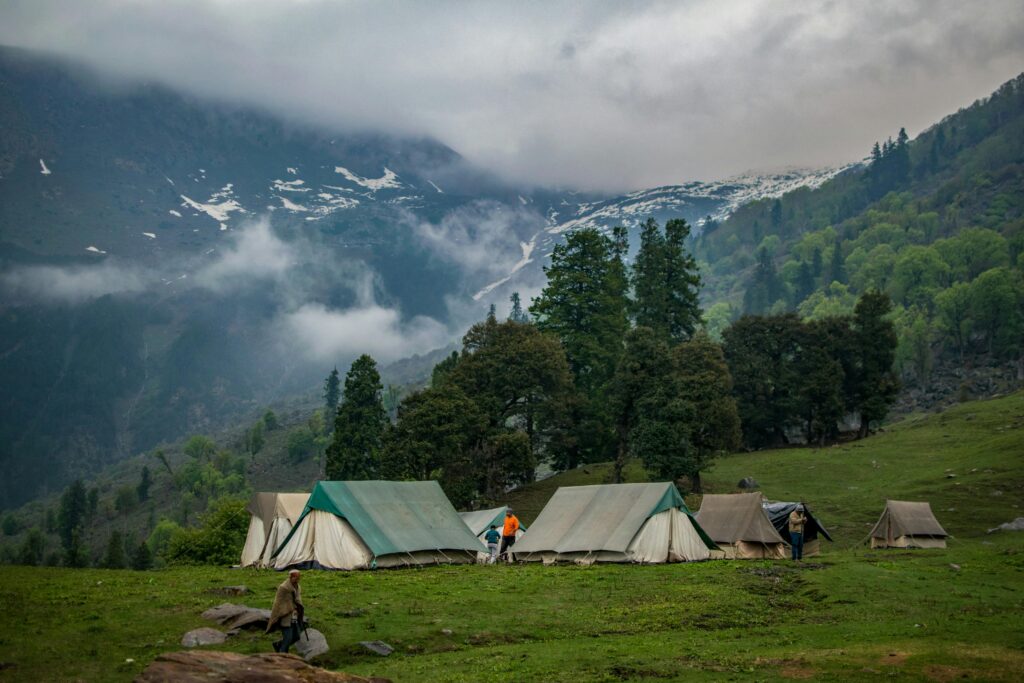
Building a life-saving shelter quickly is crucial when facing harsh weather conditions, providing immediate protection and increasing your chances of survival.
Start by choosing a suitable location that is dry, flat, and away from hazards like falling branches or flooding.
Use natural materials such as branches, leaves, and grass to construct your shelter. Begin with a sturdy framework using larger branches and then cover it with layers of leaves and grass for insulation.
Ensure there is enough ventilation to prevent suffocation. Practice building different types of shelters, such as lean-tos or debris huts, so you are prepared for various situations.
How to Build a Life-Saving Shelter in Minutes
1. Choose a location: Find a dry, flat spot away from potential hazards.
2. Gather materials: Collect branches, leaves, and grass for construction.
3. Build a sturdy framework: Use larger branches to create a strong base.
4. Add insulation: Layer leaves and grass over the framework for warmth.
5. Ensure ventilation: Create openings to allow air circulation.
6. Practice lean-to shelters: Learn to build this simple, effective design.
7. Try debris huts: Master constructing this insulated, protective shelter.
8. Adjust for weather: Adapt your shelter to the specific conditions.
9. Test for durability: Ensure your shelter can withstand wind and rain.
10.Use natural features: Incorporate trees or rocks for added stability.
11.Practice in different environments: Get comfortable building shelters anywhere.
12.Prepare tools: Keep essential tools handy for quick construction.
13.Camouflage if needed: Learn to blend your shelter with the surroundings.
14.Build under pressure: Practice constructing a shelter quickly to simulate emergencies.
15.Review and refine: Continuously improve your shelter-building techniques.
Conclusion
Building a life-saving shelter quickly is crucial in emergencies. By choosing the right location, using natural materials, and practicing different shelter types, you can effectively protect yourself from harsh weather conditions. Regular practice ensures you’re ready to build a secure shelter in minutes, increasing your chances of survival.