Foraging for Edible Plants: A Beginner’s Guide
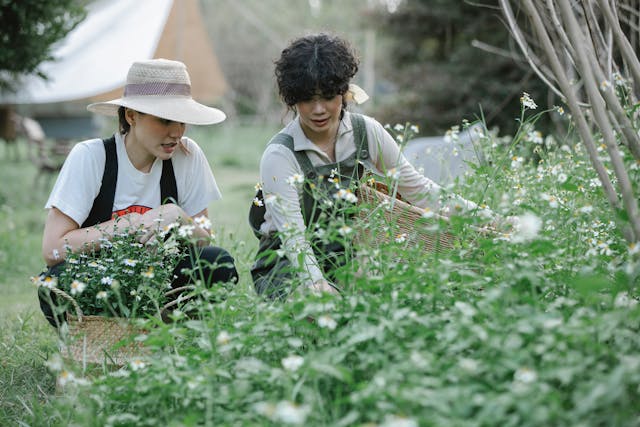
Did you know that some of the most delicious ingredients for your next meal might be growing right outside your door? Foraging for edible plants is like a treasure hunt, but instead of gold, you find nature’s bounty. 🌿 Whether you’re looking to spice up your culinary repertoire or simply want to connect with nature, foraging can be a rewarding adventure. But before you don your explorer hat, let’s dive into the essentials of foraging for edible plants.
Understanding the Basics
Foraging is not just about picking pretty leaves. It’s an art and a science. You need to know what to look for, where to find it, and how to identify it. Here are some foundational tips:
- Research Local Flora: Familiarize yourself with the plants native to your area. Local field guides or apps can be invaluable.
- Know Your Seasons: Different plants thrive in different seasons. Spring is great for wild greens, while summer offers berries.
- Practice Ethical Foraging: Only take what you need. Leave enough for wildlife and future foragers.

Identifying Edible Plants
Identifying edible plants can feel like a game of botanical bingo. Some plants look similar, and a few can be downright deceptive. Here’s how to sharpen your identification skills:
- Use Multiple Sources: Cross-reference your findings with books, apps, and local experts. The more eyes, the better!
- Learn Key Characteristics: Focus on leaf shape, flower color, and growth patterns. For example, dandelion leaves are jagged and grow in a rosette.
- Smell and Taste (Cautiously): If you’re unsure, smell the plant. Many edible plants have distinct aromas. Always taste a tiny bit first to check for reactions.
Common Edible Plants to Forage
Ready to get your hands dirty? Here are some common edible plants that are beginner-friendly:
- Dandelion: Every part is edible! Use the leaves in salads, the flowers for wine, and the roots for coffee substitutes.
- Wild Garlic: This fragrant plant can be found in damp woodlands. Its leaves and bulbs add a punch to any dish.
- Chickweed: A mild-flavored green that’s perfect for salads or as a garnish. It’s often found in gardens and disturbed areas.
- Blackberries: These juicy gems are a summer delight. Look for them in hedgerows and along trails.
Safety First: Avoiding Toxic Plants
Foraging can be fun, but it’s not without risks. Some plants can be toxic or even deadly. Here’s how to stay safe:
- Learn the Toxic Lookalikes: Familiarize yourself with plants that resemble edible ones but are harmful. For example, poison hemlock looks similar to wild carrots.
- Consult Experts: Join local foraging groups or workshops. Learning from seasoned foragers can save you from costly mistakes.
- Start Small: Begin with a few well-known plants before expanding your foraging repertoire. Confidence comes with experience!

Cooking with Foraged Ingredients
Now that you’ve gathered your wild goodies, what’s next? Cooking with foraged ingredients can elevate your meals to gourmet status. Here are some tips:
- Experiment: Use foraged greens in place of spinach or add wild herbs to your favorite dishes. The flavor profiles can be surprising!
- Preserve Your Finds: Consider drying, pickling, or making jams with your foraged fruits. This way, you can enjoy your harvest year-round.
- Share the Love: Host a foraged feast with friends. It’s a great way to showcase your finds and share knowledge.
Final Thoughts
Foraging for edible plants is more than just a hobby; it’s a way to reconnect with nature and discover the hidden flavors of your environment. With a little research and practice, you can turn your backyard into a culinary wonderland. So grab your basket, put on your explorer’s cap, and start your foraging adventure! 🌍 Remember, the world is full of delicious surprises just waiting to be discovered.