

The $500 chicken mistake I made (so you don’t have to)
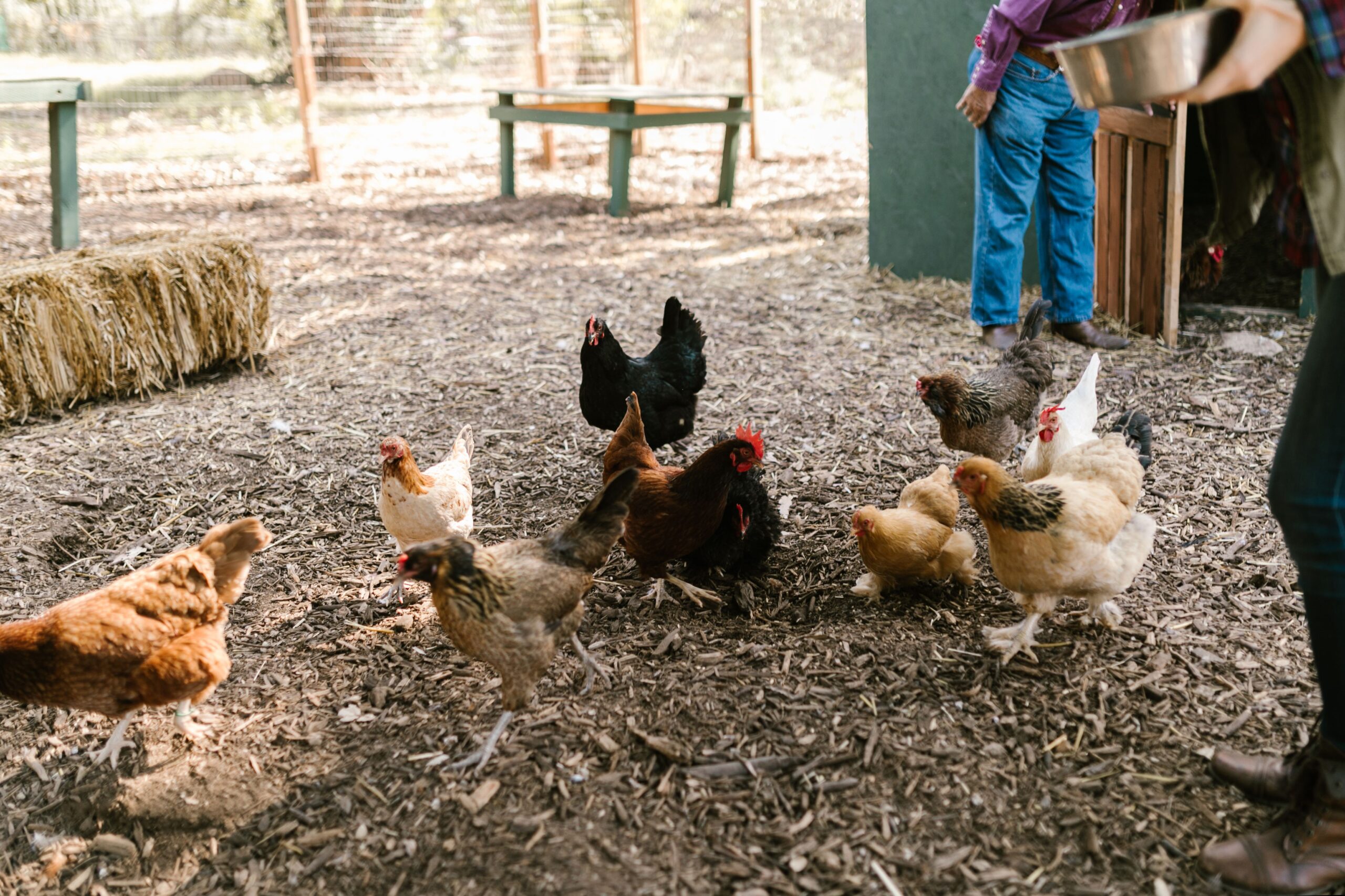
Quick story:
When I first decided to raise backyard chickens, I thought “How hard could it be?”
Famous last words…
I bought the wrong coop setup, chose breeds that weren’t right for my climate, and made feeding mistakes that stressed my birds.
The result? I lost chickens, wasted over $500, and almost gave up on my dream of fresh eggs.
Sound familiar?
Here’s what I wish someone had told me: The difference between chicken-keeping success and failure isn’t experience – it’s having the right information from the start.
That’s exactly what Emma Harrison provides in “The First-Time Chicken Keeper’s Checklist.”
Emma went through the same frustrating trial-and-error process I did, then spent months creating the comprehensive guide she wished had existed when she started.
This isn’t just another generic chicken guide. It’s specifically designed for people who have never owned chickens and need clear, detailed guidance to succeed from day one.
The guide covers:
🐣 Exactly what to buy and when (complete shopping lists included)
🥚How to choose the right breeds for your situation
🐥 Coop setup that actually works for beginners
🐓 Daily care routines that prevent problems
🧑🏻🌾 Common mistakes and how to avoid them
🐔 Seasonal preparation so you’re never caught off guard
Right now, you can get the complete system plus 4 bonus guides for 72% off:
Don’t make the expensive mistakes I made. Start smart.

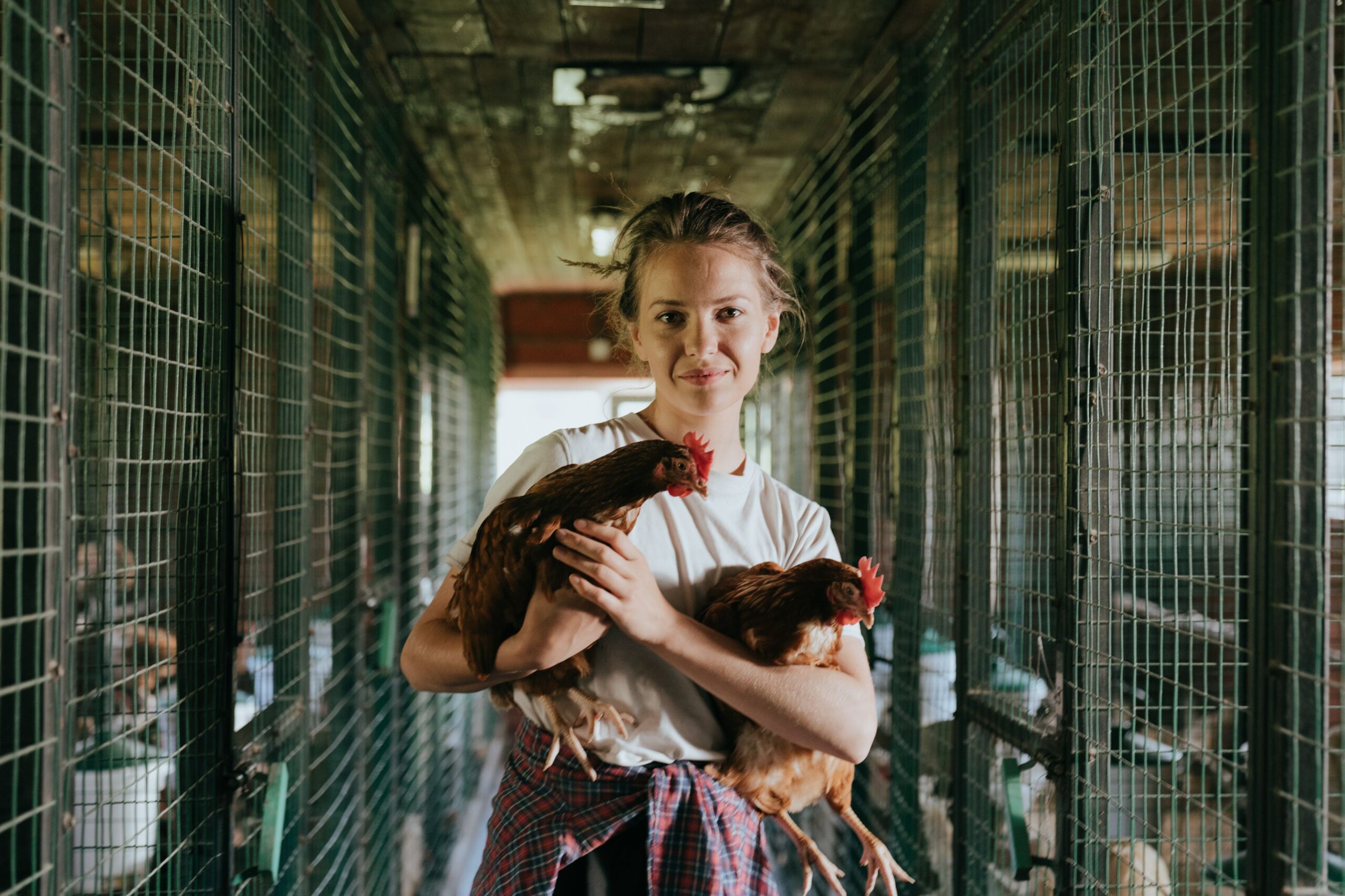
“I may earn a commission if you purchase through links on this page, at no additional cost to you. I only recommend products I believe will provide value to my readers.”
This product is for educational purposes only about animal husbandry and chicken care. We make no guarantees about specific outcomes related to animal health, egg production, or chicken survival rates. Success in chicken keeping depends on many factors including your local climate, predator conditions, care consistency, local regulations, and individual animal health. Any examples mentioned are for educational purposes and do not represent typical results. Always consult with local veterinarians for specific health concerns and check local regulations before keeping chickens.”