First Aid Skills for Survivalists
Having essential first aid skills is vital for survival, enabling you to treat injuries and illnesses effectively until professional help is available, which can be lifesaving in emergency situations.
Start by learning how to clean and dress wounds to prevent infection. Understand how to treat burns, fractures, and sprains using basic first aid techniques.
Know how to perform CPR and the Heimlich maneuver to assist someone in respiratory distress.
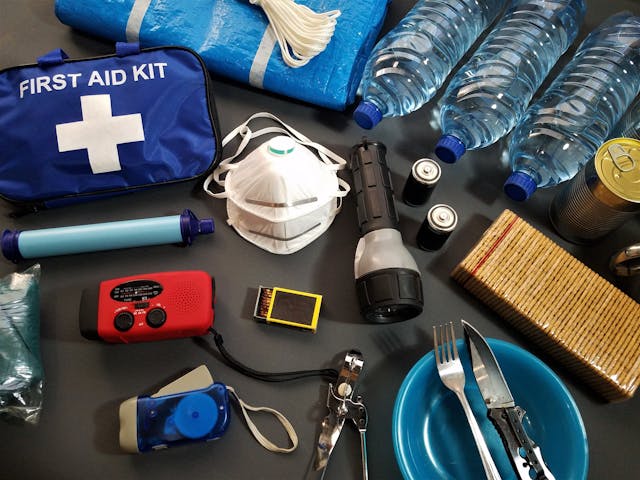
Familiarize yourself with the contents of a first aid kit and how to use each item. Regularly practice these skills to stay prepared and confident in handling medical emergencies.

Did you know that nearly 70% of outdoor enthusiasts have experienced a medical emergency while adventuring? That’s a staggering statistic that should make any survivalist sit up and take notice. First aid skills are not just for the faint of heart; they are essential tools in your survival toolkit. Whether you’re hiking, camping, or prepping for the apocalypse, knowing how to handle injuries and emergencies can mean the difference between life and death. Let’s dive into the must-have first aid skills every survivalist should master.
Basic First Aid Skills: The Foundation of Survival
First aid is like the Swiss Army knife of survival skills—versatile and indispensable. Here are some foundational skills you should have in your back pocket:
- CPR: Cardiopulmonary resuscitation can save a life in cardiac arrest. Knowing how to perform CPR can be the ultimate game-changer.
- Wound Care: From scrapes to deep cuts, knowing how to clean and dress wounds prevents infections and promotes healing.
- Choking Relief: The Heimlich maneuver is a must-know. You never know when someone might need a little help with their lunch.
- Burn Treatment: Burns can happen in a flash. Knowing how to treat them can prevent long-term damage.
These skills are your first line of defense. They can be the difference between a minor mishap and a major crisis. 🩹
Advanced Techniques: When Basic Isn’t Enough
Sometimes, basic skills just won’t cut it. That’s when advanced techniques come into play. Here are some that can elevate your first aid game:
- Splinting: If someone breaks a bone, you need to immobilize it. A makeshift splint can be crafted from sticks, magazines, or even a rolled-up jacket.
- Tourniquet Application: In severe bleeding situations, a tourniquet can save a limb. Learn how to apply one correctly to avoid further injury.
- Recognizing Shock: Shock can be life-threatening. Knowing the signs—like rapid pulse and pale skin—can help you act quickly.
- Improvised Bandages: Sometimes, you don’t have a first aid kit handy. Knowing how to use clothing or other materials as bandages can be a lifesaver.
These advanced techniques are like the secret weapons in your survival arsenal. They require practice, so don’t wait until you’re in a crisis to learn them! 🚑

Psychological First Aid: The Unsung Hero
First aid isn’t just about physical injuries. Psychological first aid is equally important, especially in high-stress situations. Here’s what you need to know:
- Active Listening: Sometimes, people just need to talk. Being a good listener can help someone process their trauma.
- Reassurance: A calm voice can work wonders. Reassuring someone that they are safe can help reduce panic.
- Encouragement: Help them focus on what they can control. Encouragement can empower individuals to take action.
In survival situations, mental resilience is just as crucial as physical skills. Remember, a calm mind can navigate chaos. 🧠
Building Your First Aid Kit: Essentials and Extras
Now that you know the skills, let’s talk about the tools. A well-stocked first aid kit is your best friend in emergencies. Here’s what to include:
- Adhesive Bandages: For minor cuts and scrapes.
- Gauze Pads: For larger wounds that need more coverage.
- Antiseptic Wipes: To clean wounds and prevent infection.
- Medical Tape: To secure gauze and bandages.
- Scissors: For cutting tape, gauze, or clothing if needed.
- Instant Cold Packs: To reduce swelling and pain.
- Emergency Blanket: To keep someone warm in shock or hypothermia.
Don’t forget to customize your kit based on your activities. If you’re heading into the wilderness, consider adding items like snake bite kits or splinting materials. 🏕️
Training and Practice: The Key to Confidence
Having skills and tools is great, but practice makes perfect. Here’s how to ensure you’re ready when the moment strikes:
- Take a Course: Enroll in a first aid and CPR course. Many organizations offer hands-on training.
- Practice Regularly: Set aside time to practice skills like CPR and wound care. Repetition builds muscle memory.
- Simulate Scenarios: Create mock emergencies with friends. This can help you think on your feet.
Confidence comes from preparation. The more you practice, the more instinctive your responses will be. 💪
Conclusion
First aid skills are not just for the faint-hearted; they are essential for anyone who ventures into the great outdoors or prepares for emergencies. From basic wound care to advanced techniques and psychological support, these skills can save lives. Equip yourself with a well-stocked first aid kit and commit to regular training. Remember, in the world of survival, knowledge is power, and preparedness is your best ally. So go ahead, become the hero of your own adventure! 🚀