Survival Communication: Staying Connected Off-Grid
Imagine this: you’re deep in the wilderness, surrounded by towering trees and the sounds of nature, when suddenly your phone dies. Panic sets in. How will you communicate with your group? How will you call for help? In a world where we rely heavily on technology, the thought of being off-grid can feel like stepping into a black hole of isolation. But fear not! Survival communication is not just about shouting into the void. It’s about staying connected, even when the Wi-Fi signal is as elusive as a unicorn. 🦄

Understanding Off-Grid Communication
Off-grid communication is like a secret language spoken by those who venture into the wild. It’s about using tools and techniques that don’t rely on traditional networks. Think of it as a survival toolkit for your social life. Here are some key methods:
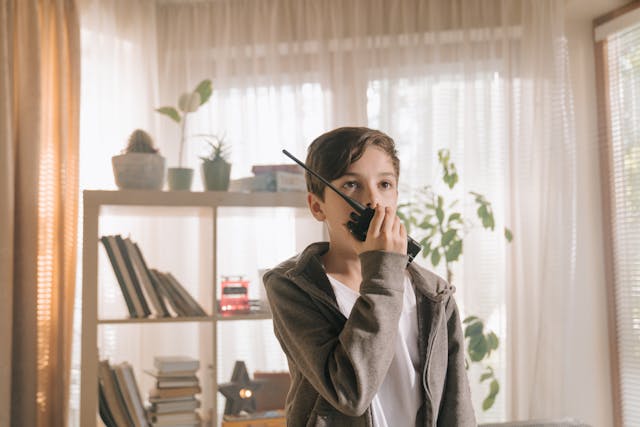
- Two-Way Radios: These handy devices can keep you connected over several miles. They’re like walkie-talkies for adults, perfect for coordinating with your crew.
- Satellite Phones: If you need to reach the outside world, a satellite phone is your best bet. It works anywhere, even in the most remote locations.
- Signal Mirrors: A flash of sunlight can send a message across miles. It’s like Morse code, but with a little more sparkle.
- Flares: When all else fails, a flare can signal for help. Just don’t forget to aim it away from your friends!
Choosing the Right Tools
Not all communication tools are created equal. Choosing the right one can be the difference between a fun adventure and a survival nightmare. Here’s what to consider:
- Range: How far do you need to communicate? Some radios work only a few miles, while others can reach hundreds.
- Battery Life: In the wild, power sources are scarce. Opt for devices with long-lasting batteries or solar charging options.
- Durability: Your gear should withstand the elements. Look for waterproof and shock-resistant options.
- Ease of Use: If you’re in a panic, you don’t want to fumble with complicated gadgets. Choose user-friendly devices.

Mastering Non-Verbal Communication
Sometimes, words aren’t enough. Non-verbal communication can be a lifesaver in survival situations. Think of it as the art of saying a lot without saying anything at all. Here are some techniques:
- Hand Signals: Develop a set of hand signals with your group. It’s like a secret handshake, but for survival.
- Body Language: Your posture and movements can convey messages. Stand tall and confident to show you’re in control.
- Visual Signals: Use bright colors or reflective materials to catch attention. A bright orange tarp can be a beacon in the wilderness.
Case Study: The 2019 Appalachian Trail Rescue
In 2019, a group of hikers on the Appalachian Trail found themselves in a sticky situation. One member fell and injured their leg, leaving them stranded. Luckily, they had a satellite phone. They called for help, and within hours, rescuers arrived. This incident highlights the importance of having reliable communication tools when venturing off-grid. It’s not just about staying connected; it’s about survival.

Insider Tips for Staying Connected
Want to be the communication guru of your group? Here are some insider tips that can elevate your off-grid communication game:
- Practice Before You Go: Familiarize yourself with your devices. Practice using them in a controlled environment.
- Keep a Backup: Always have a backup plan. If your primary device fails, what’s your next move?
- Stay Informed: Know the terrain and potential communication challenges. Some areas may have dead zones.
- Regular Check-Ins: Establish a routine for checking in with your group. It keeps everyone on the same page.
Conclusion
Survival communication is an essential skill for anyone venturing off-grid. With the right tools and techniques, you can stay connected, even in the wildest of places. From two-way radios to signal mirrors, there’s a world of options to explore. Remember, it’s not just about technology; it’s about creativity and resourcefulness. So gear up, practice your signals, and get ready for your next adventure! 🚀