Urban Survival: Preparing for City Emergencies
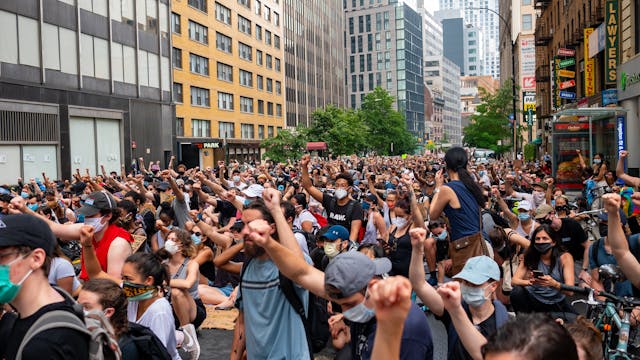
Did you know that over 80% of urban residents live in areas prone to natural disasters? 🌪️ That’s a staggering statistic that should make anyone in the city sit up and take notice. Urban survival isn’t just about dodging muggers or finding the best pizza joint; it’s about being prepared for emergencies that can strike when you least expect them. Whether it’s a blackout, a natural disaster, or a civil disturbance, knowing how to navigate these situations can mean the difference between chaos and calm.
Understanding Urban Risks
Every city has its unique set of risks. Think of it as a buffet of potential disasters, where you can pick and choose what might affect you. Here are some common urban threats:
- Natural Disasters: Earthquakes, floods, and hurricanes can wreak havoc, even in cities that seem safe.
- Civil Unrest: Protests and riots can escalate quickly, turning peaceful gatherings into dangerous situations.
- Infrastructure Failures: Power outages and water supply issues can disrupt daily life in an instant.
- Health Crises: Pandemics and outbreaks can spread rapidly in densely populated areas.
Understanding these risks is the first step in urban survival. It’s like knowing the layout of a maze before you try to navigate it.
Building Your Urban Survival Kit
Imagine your survival kit as your urban Swiss Army knife. It should be compact, versatile, and ready for anything. Here’s what to include:
- Water: Store at least one gallon per person per day for three days. Water is life!
- Non-Perishable Food: Think energy bars, canned goods, and dried fruits. Easy to store and easy to eat.
- First Aid Supplies: Band-aids, antiseptics, and any personal medications. You never know when you might need them.
- Flashlight and Batteries: Power outages can happen anytime. A flashlight is your best friend in the dark.
- Multi-tool: A good multi-tool can help with everything from opening cans to making repairs.
Don’t forget to customize your kit based on your specific needs. If you have pets, include food and supplies for them too! 🐾
Creating a Communication Plan
In an emergency, communication can be as vital as food and water. Think of it as your urban survival lifeline. Here’s how to set one up:
- Designate a Meeting Place: Choose a familiar location where everyone can regroup if separated.
- Establish a Contact List: Keep a list of important phone numbers, including family, friends, and local emergency services.
- Use Technology Wisely: Apps like Zello or GroupMe can help you stay connected when traditional networks fail.
Remember, in the chaos of an emergency, having a plan can help you stay calm and collected. 📱
Practicing Your Skills
Preparation is only half the battle; practice is where the magic happens. Think of it as training for a marathon. You wouldn’t just show up on race day without any practice, right? Here are some skills to hone:
- Basic First Aid: Knowing how to treat wounds or perform CPR can save lives.
- Navigation Skills: Learn to read maps and use a compass. GPS may not always be available.
- Self-Defense: Consider taking a self-defense class. It’s empowering and can boost your confidence.
Regularly practicing these skills can make them second nature when the time comes. 🏃♂️

Staying Informed
In the age of information, staying updated is crucial. Think of it as your urban survival radar. Here’s how to keep your finger on the pulse:
- Local News Outlets: Follow local news for updates on emergencies and safety tips.
- Emergency Alerts: Sign up for local emergency alerts to receive real-time information.
- Community Resources: Join local preparedness groups or forums. Sharing knowledge can be invaluable.
Being informed can help you make quick decisions when every second counts. 📰
Conclusion
Urban survival is about more than just having a stash of supplies; it’s about being proactive and prepared. Understand your risks, build a solid survival kit, create a communication plan, practice essential skills, and stay informed. With these strategies, you’ll be ready to face whatever urban life throws your way. Remember, it’s not about living in fear; it’s about living smart!